Guide
Your Fitness Questions Answered Here Today

What is a fitness diet plan?
A fitness diet plan isn't just about eating less—it's about fueling your body strategically. Proper nutrition supports muscle growth, enhances workout performance, and accelerates recovery. By combining balanced macronutrients with consistent training, you optimize your results and build sustainable energy levels that keep you performing at your peak.
Why is nutrition important for fitness?
Nutrition forms the foundation of every successful fitness journey. Without proper fuel, your muscles cannot recover or grow, your energy depletes quickly, and your performance suffers. The right diet amplifies your training efforts, reduces injury risk, and maintains the hormonal balance essential for peak male performance and vitality.
What are the key components of a complete fitness nutrition program?
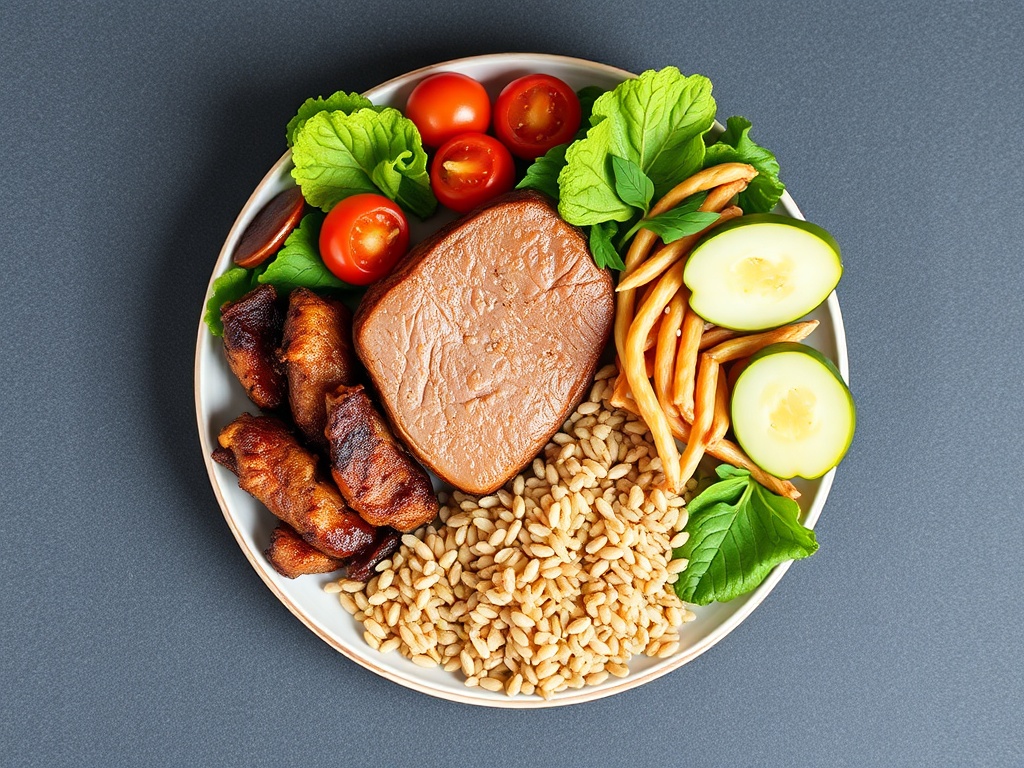
A complete fitness program includes protein for muscle repair, carbohydrates for sustained energy, healthy fats for hormonal function, and micronutrients for overall health. Hydration, meal timing, and portion control round out the picture. When these elements work together with consistent training, you experience enhanced strength, endurance, and natural vitality.
How should you structure your daily workout routine?
Effective training combines strength work, cardiovascular fitness, and recovery time. Progressive overload—gradually increasing challenge—builds muscle and power. A structured program targets specific goals while allowing adequate rest between sessions. This balance maximizes results, prevents burnout, and maintains the energy and focus needed for daily performance.
What role does recovery play in fitness progress?
Recovery is where transformation actually happens. During rest, your muscles rebuild stronger, hormones rebalance, and your nervous system restores. Quality sleep, proper nutrition, and active recovery days are non-negotiable. Neglecting recovery sabotages your efforts and depletes your energy reserves, undermining both physical gains and mental clarity.
How do you maintain male vitality and energy?
Male vitality depends on consistent exercise, quality sleep, balanced nutrition, and stress management. Strength training boosts testosterone naturally, while proper diet supports hormonal health. Adequate hydration, micronutrient intake, and mental focus round out the foundation. Together, these practices sustain the energy and confidence that define true masculine power.
Customize your fitness journey based on your personal goals and lifestyle needs

What supplements support a fitness diet?
Smart supplementation fills nutritional gaps and accelerates results. Protein powder, creatine, and essential vitamins enhance muscle growth and recovery. Omega-3 fatty acids support joint health and hormone production. Always prioritize whole foods first, then add supplements strategically. Quality matters—choose reputable brands that deliver real benefits for your training.
How often should you adjust your training?
Progressive adaptation prevents plateaus and keeps results flowing. Every 4-6 weeks, adjust exercises, volume, or intensity to challenge your body anew. This keeps your nervous system engaged and muscles developing. Without variation, progress stalls and motivation fades. Smart periodization maintains momentum and ensures continuous improvement toward your goals.
What's the connection between diet and natural male energy levels?
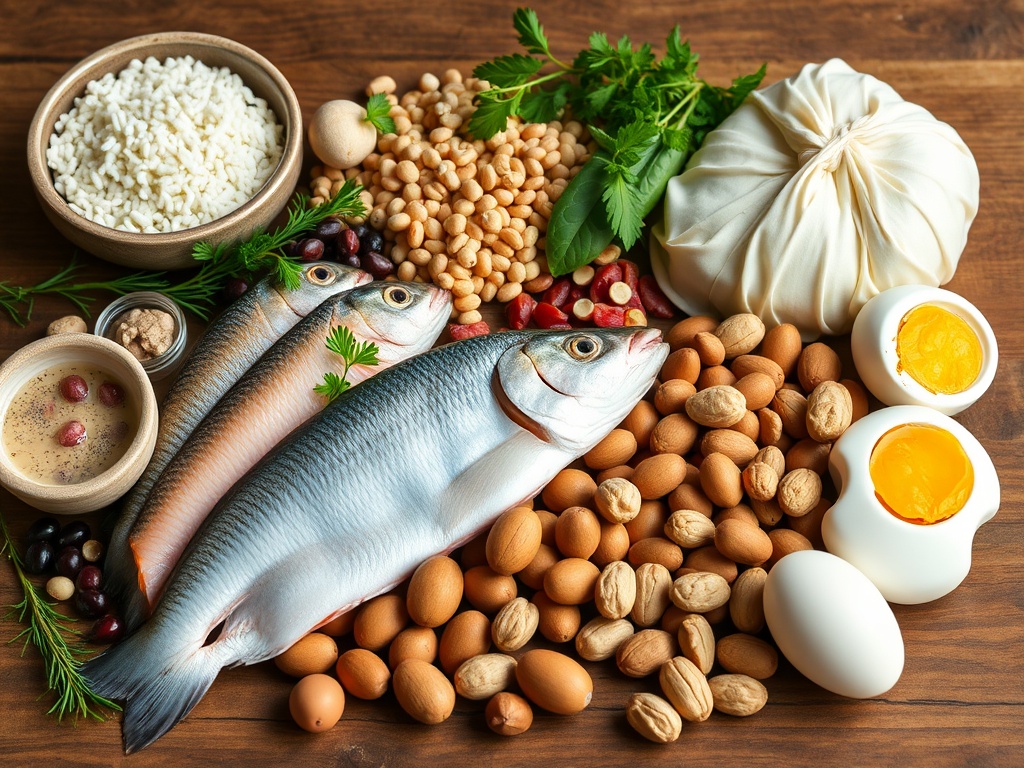
Your diet directly impacts testosterone, mood, and physical energy. Zinc-rich foods, healthy fats, and adequate calories support hormonal production. Processed foods and excessive sugar drain vitality and weaken performance. By eating whole, nutrient-dense foods aligned with your training, you naturally elevate energy, mental clarity, and the strength to dominate daily challenges.
How does hydration affect fitness performance?
Proper hydration is foundational for strength, endurance, and muscle recovery. Even mild dehydration reduces power output and accelerates fatigue. Water regulates body temperature, transports nutrients, and supports cellular function. Drink consistently throughout the day and around workouts. Staying hydrated maintains focus, prevents injury, and ensures your body performs at its absolute best.
What's the best approach to meal planning?
Effective meal planning removes guesswork and guarantees results. Calculate your calorie and macronutrient needs based on your goals and activity level. Prepare meals in advance to stay consistent despite busy schedules. Include lean proteins, complex carbs, healthy fats, and vegetables in every meal. This structure builds discipline, optimizes nutrition, and delivers steady progress.
How does sleep impact muscle growth?
Sleep is where muscle growth happens. During deep sleep, growth hormone peaks and proteins rebuild damaged muscle fibers. Poor sleep disrupts testosterone, increases cortisol, and sabotages recovery. Aim for 7-9 hours nightly in a cool, dark environment. Quality sleep amplifies your training efforts, maintains energy, and supports the physical and mental resilience needed for success.
Get your customized fitness assessment
We deliver science-backed guidance for lasting results